Before buying a used car with an open recall, verify the specific VIN, read the manufacturer's current instructions, and find out whether the remedy is available. Ask for the recall work to be completed before you take delivery. If the manufacturer says not to drive the car, don't test-drive it or take it home while you wait.
A recall result gives you another job to finish before buying. How much that changes your decision depends on the defect, the instructions, and whether the car can actually be repaired now.
Before you work through the financing, get those questions answered about the car itself. The broader used-car checklist covers the inspection and paperwork; here, I want you to follow a recall from the search result to the completed work.
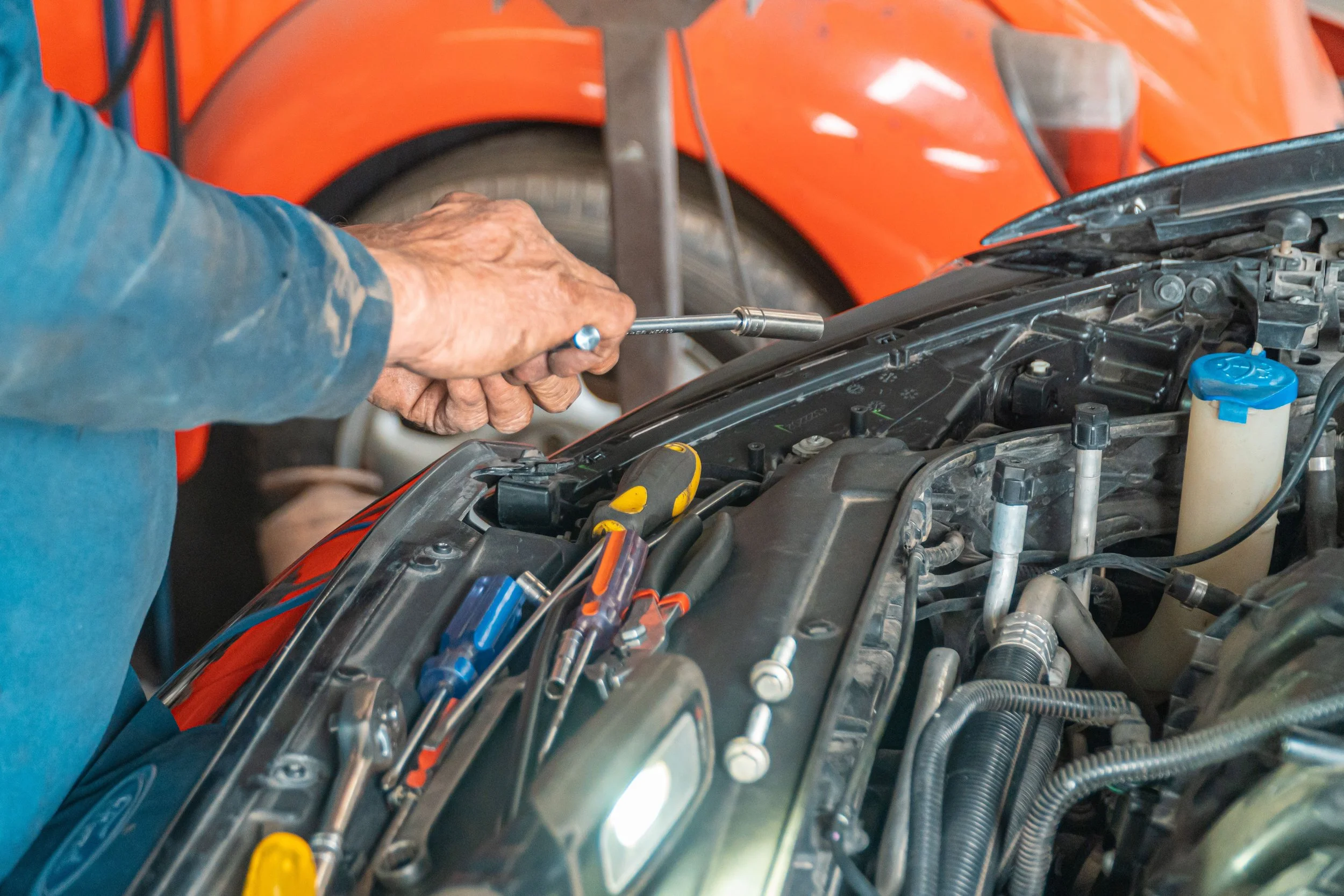
Photo by Jose Ricardo Barraza Morachis on Pexels.
Run the VIN on the car you're considering
Use the vehicle identification number to check the exact car, then compare it with the VIN on the vehicle and purchase paperwork. A year-and-model search gives you general information. It doesn't establish whether the specific car in front of you is affected by a recall or still needs a repair.
You can start with the NHTSA recall lookup, then check the manufacturer's official recall page. The VIN is usually visible through the lower driver's side of the windshield on a modern passenger car.
Do this before making a trip if the seller will send you the VIN. Then match it to the actual car when you arrive. A typo or a listing for a similar vehicle can send you down the wrong path.
Save the result with the date. If a recall appears, record the campaign number so the dealer and manufacturer can identify the same issue when you call. “Something about the brakes” isn't as useful as the specific campaign.
What does a zero-recall result really tell you?
A result showing no unrepaired recalls isn't a complete safety report or proof that the vehicle has never been recalled. NHTSA's VIN search leaves out completed recalls and has other limits, including some newly announced campaigns, older recalls, and non-safety service campaigns. Read the result within those limits.
The lookup generally doesn't show recalls more than 15 years old unless the manufacturer provides broader coverage. Some manufacturers and international vehicles also fall outside its coverage. If the car is older, imported, or the search doesn't recognize it, ask the manufacturer directly.
A report showing zero open recalls also can't tell you whether the tires are worn out, whether the vehicle was repaired poorly after a crash, or whether it has a mechanical problem unrelated to a recall.
Keep your independent inspection. Give the inspecting shop any recall information you've found, and ask it to assess the vehicle's present condition. A recall check and an inspection answer different questions, and you need both.
Read the instructions before any test drive
Open the recall details and find the manufacturer's instructions for using, parking, or transporting the affected vehicle. Some recalls carry urgent precautions, including a do-not-drive instruction. Follow the guidance for that exact campaign and VIN. A salesperson's reassurance or the absence of warning lights doesn't replace those instructions.
Don't try to decide how serious a defect is from the length of the repair. A job that takes little time can still address a dangerous problem.
If the instruction is not to drive, ask the manufacturer or an authorized dealer how to arrange the repair safely. Depending on the campaign, that may involve towing or mobile service. Confirm the available arrangement before moving the car.
If the instruction concerns where to park or another restriction, ask how the seller is complying and what would be required of you. Don't assume a precaution applies only after you buy it.
And if the instructions aren't clear, pause the visit while you get an answer. You haven't committed to this particular vehicle just because you've already spent time shopping for it.
Call the service department about the remedy
Ask an authorized dealer for the vehicle's brand whether the remedy is available for that VIN, whether the necessary parts are available, and when it can complete the work. A recall announcement doesn't guarantee an immediate repair appointment. Separate an estimated future remedy from one the service department can perform now.
Give the service advisor the VIN and campaign number. Ask whether the proposed visit will complete the recall or only inspect the car to determine the next step.
That's a meaningful difference. An appointment on the calendar may be a diagnostic or inspection visit, and “parts ordered” doesn't mean those parts have arrived.
If the selling store represents a different brand, ask who will coordinate with the authorized repair facility. Get a name, an appointment, and a plan for transporting the vehicle if needed. Don't assume every dealership can perform every manufacturer's recall work.
If there's no remedy yet, ask what the manufacturer currently instructs owners to do and how future availability will be communicated. You can choose another car instead of taking on that uncertainty. A lower price won't make an unavailable repair happen sooner.
Who pays, and what else could cost money?
Safety-recall remedies are generally provided without charge under the applicable campaign, but confirm the terms for the actual vehicle and repair. Ask separately about towing, transportation, or unrelated work. On an older car, verify coverage directly instead of assuming every recall repair is free forever under every circumstance.
Federal free-remedy requirements have an age limitation tied to the vehicle's age when the defect is determined. Manufacturers may provide broader coverage. That is another reason to take an older car's VIN to the manufacturer rather than guess from the model year alone.
Ask service to distinguish the recall work from anything else it recommends. An oil change, worn tires, or a separate repair doesn't automatically become part of a free recall visit.
The same care applies to a “service campaign.” For example, Toyota distinguishes safety recalls from other service programs, including limited campaigns with expiration dates. The label and the specific terms matter.
If someone asks you to approve a charge to perform the stated recall remedy, ask the manufacturer to explain why before you authorize it. Get any covered towing or alternate transportation confirmed as well. Don't build your purchase plan around a loaner nobody has agreed to provide.
Put completion ahead of the handover
Ask the seller to arrange the recall remedy before delivery and document that agreement in the purchase paperwork. Be clear about whether you're waiting to complete the purchase or signing an agreement with conditions. Don't assume a promise to repair later gives you an automatic right to return the car.
If you need a deposit to hold the vehicle, get the refund conditions and the repair requirement in writing before paying it. An estimated completion date should also come with an answer about what happens if the work is delayed.
Ask for the finished repair order tied to the VIN and campaign. “It went through our shop” doesn't tell you whether that specific recall was completed.
A used car being offered for sale isn't enough evidence that every recall has been handled. Check the vehicle and the documents yourself. If the store's statements conflict with the manufacturer's information, have that resolved before you sign.
This is also part of choosing between a new and a used car: compare the actual vehicles and the work each needs. A general reputation for reliability can't answer a VIN-specific recall question.
Verify what the repair actually completed
At pickup, read the repair order and ask the service department to confirm that the campaign's required remedy was completed for the vehicle. If the public lookup still shows an open recall, have the service department explain the discrepancy and confirm the manufacturer's record. Keep the paperwork while any record update is resolved.
Check whether there were multiple open campaigns. Completion of one doesn't answer what happened to the others. Match each campaign you found with the repair documentation or an explanation from the manufacturer.
Ask whether any further action is required. If the visit only performed an interim measure or an inspection, find out what remains and what instructions apply in the meantime. Don't describe the car as fully remedied until you have that answer.
After buying, make sure the manufacturer has your current ownership and contact information through its official process. Check for recalls again periodically, because a clean result today can't rule out a campaign announced later.
Once you've checked the car, my car-buying guide covers the price, financing, and paperwork. Keep the recall decision tied to what you've verified about this vehicle. If the seller can't show that the required remedy is complete, you can wait or keep shopping.