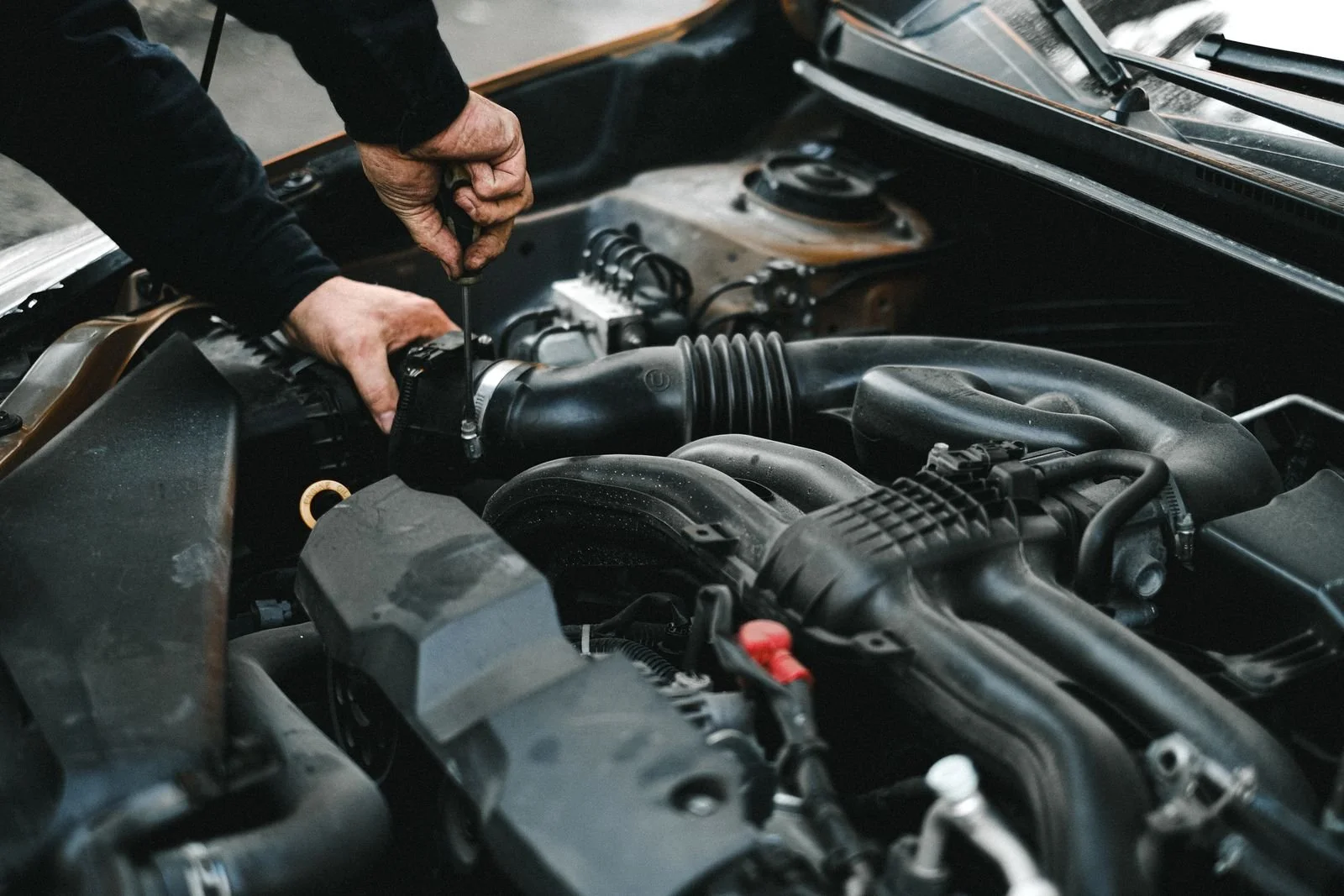
Photo by Anna Shvets on Pexels. Illustrative photo.
If a dealer won't let you take a used car to your mechanic, first ask whether the restriction is on leaving the lot or on any independent inspection. A mobile inspection or a dealer-arranged trip to your chosen shop may solve a transportation issue. If the dealer won't allow a meaningful independent inspection in any form, I would move on.
That doesn't prove the car is bad or the dealer is hiding something. It tells you that you can't get the information you want before accepting the risk. You don't need to prove misconduct to decide a purchase isn't right for you.
Here's how I'd handle the conversation without turning it into an argument.
Ask one question before treating the answer as final
Try: “Is your policy that I can't drive it to another shop, or that an independent mechanic can't inspect it at all?”
Those are different answers. The salesperson may be explaining an off-site policy rather than rejecting outside evaluation. Ask whether a manager can confirm the available options. Don't assume a salesperson has authority to approve someone else's shop appointment.
Offer a specific plan: the shop name, location, appointment time, expected duration, and who would transport the vehicle. A request to take the car somewhere for an unspecified length of time is harder to evaluate than an appointment at a nearby shop with a return time.
The FTC's used-car guidance specifically suggests a mobile inspection or having the dealer bring the car to a facility you choose when an off-site inspection is a problem. It also recommends considering another dealer if an independent inspection isn't allowed.
I'd try those practical options before spending energy debating the reason for the policy.
Choose the mechanic before choosing the workaround
Call the mechanic yourself. Explain the year, model, mileage, and anything you're already worried about. Ask whether the shop is comfortable assessing that vehicle and what its pre-purchase inspection includes.
For an EV or hybrid, ask about the systems it can evaluate and what information it can provide about the high-voltage battery. Don't assume every general inspection includes a battery-health assessment. For an unusual or modified vehicle, find out whether the inspector has relevant experience.
Then explain the access available at the dealership. Can the inspector road-test it? View the underbody adequately? Use diagnostic equipment? Is a lift available, or would the car need to visit a shop?
The mechanic should tell you whether those conditions allow a useful inspection. I'd rather hear “I can't assess that concern in a parking lot” before paying than find it in a footnote afterward.
Ask for the fee, cancellation terms, and what happens if the dealer sells the car or doesn't provide the agreed access. Confirm availability with both businesses before booking a nonrefundable appointment.
If the inspector comes to the lot, agree on access first
A mobile inspection can be a reasonable compromise, but “yes, someone can look at it” is too vague.
Have the dealer and inspector agree on the scope. Who will provide the keys? Where will the car be parked? What time will it be ready? What equipment may the inspector use? Is a test drive permitted, and who will drive?
Don't arrange invasive testing or disassembly without the vehicle owner's approval. You are asking to inspect a car you haven't purchased, not authorizing repairs to your own vehicle.
I'd send a short confirmation:
“Before I book, please confirm that [inspector] may inspect VIN [VIN] on [date], including the checks you've agreed to. Please let me know now about any restrictions, so the inspector can confirm whether the appointment will be useful.”
A restriction doesn't always make the appointment worthless. It does need to be visible. If the inspector cannot check the area responsible for the noise you noticed, the main question may still be unanswered afterward.
If the dealer transports it, keep the inspection independent
Ask whether the dealer will take the car to the shop you selected and return it afterward. Confirm the appointment, contact person, and transportation arrangement before paying the inspection fee.
You should receive the report directly from the inspector. You should also be able to ask follow-up questions without relying on the salesperson to translate the findings.
If the dealer offers its own inspection instead, ask for that report too. It may contain useful information. I would still want the independent assessment I requested, especially if the dealer's document only shows that items passed a general checklist.
A vehicle history report is useful background, but it doesn't answer the same questions as a mechanical inspection. Likewise, a state safety inspection and a pre-purchase condition assessment may have different scopes. My broader used-car buying checklist covers the other homework; here, the priority is getting access that lets your mechanic do the job.
Don't let a deposit become a substitute for permission
A dealer may ask for a holding deposit while you arrange the appointment. Before paying, understand what the deposit actually does and when it can be refunded.
Ask what happens if the inspection identifies a problem, if the dealer refuses an agreed inspection step, or if the car is sold before the appointment. Get the terms in writing. “We'll work something out” leaves the most important part unsettled.
My guide to whether a dealership deposit is refundable explains why the label alone doesn't answer that question.
I wouldn't complete the purchase based on a verbal promise that I can inspect it later and return it if necessary. If you're considering a written return program, read its actual conditions first. A post-purchase return window can involve different costs and obligations from declining a car you haven't bought.
Use the report to make a decision, not just ask for a discount
Request a written report identifying the vehicle by VIN, the inspection scope, findings, limitations, and estimated costs for recommended repairs. Talk through which items need attention now and which are ordinary maintenance or longer-term considerations.
Not every finding should kill the deal. A set of worn tires is a different decision from an unresolved transmission symptom. The report should help you separate known expenses from questions that still need diagnosis.
Consider a hypothetical $700 price reduction after an inspector flags a vibration but can't establish its cause. The discount doesn't tell you whether the repair will cost $300 or several thousand dollars. I'd want the uncertainty resolved rather than treating the reduction as proof the risk is covered.
If the dealer agrees to repairs, put the specific work and timing in writing. Ask your inspector whether verification or a recheck would be useful. An agreement to “check the brakes” is less clear than an agreement describing the actual repair.
No inspection can promise a trouble-free car. You're buying better information about its condition, not certainty about every future failure.
When no workable inspection is allowed, leave calmly
If the dealer rejects off-site inspection, a qualified mobile inspection, and reasonable alternatives, I wouldn't keep negotiating against my own requirement.
You can say: “I understand your policy. I only buy a used car after an independent inspection that my mechanic considers adequate. If we can't arrange that before purchase, I'm going to keep looking.”
You don't need an accusation, a dramatic exit, or a lecture about how the store should operate. My guide to walking away from a car deal can help if the pressure starts after you've said no.
The useful distinction is simple: work around a transportation problem if you can. Don't replace the inspection you wanted with reassurance because the car is already starting to feel like yours.
If you are heading back out to shop, you can also get the free Before You Sign checklist by email to prepare for the car, coverage, and paperwork questions before the next deal.