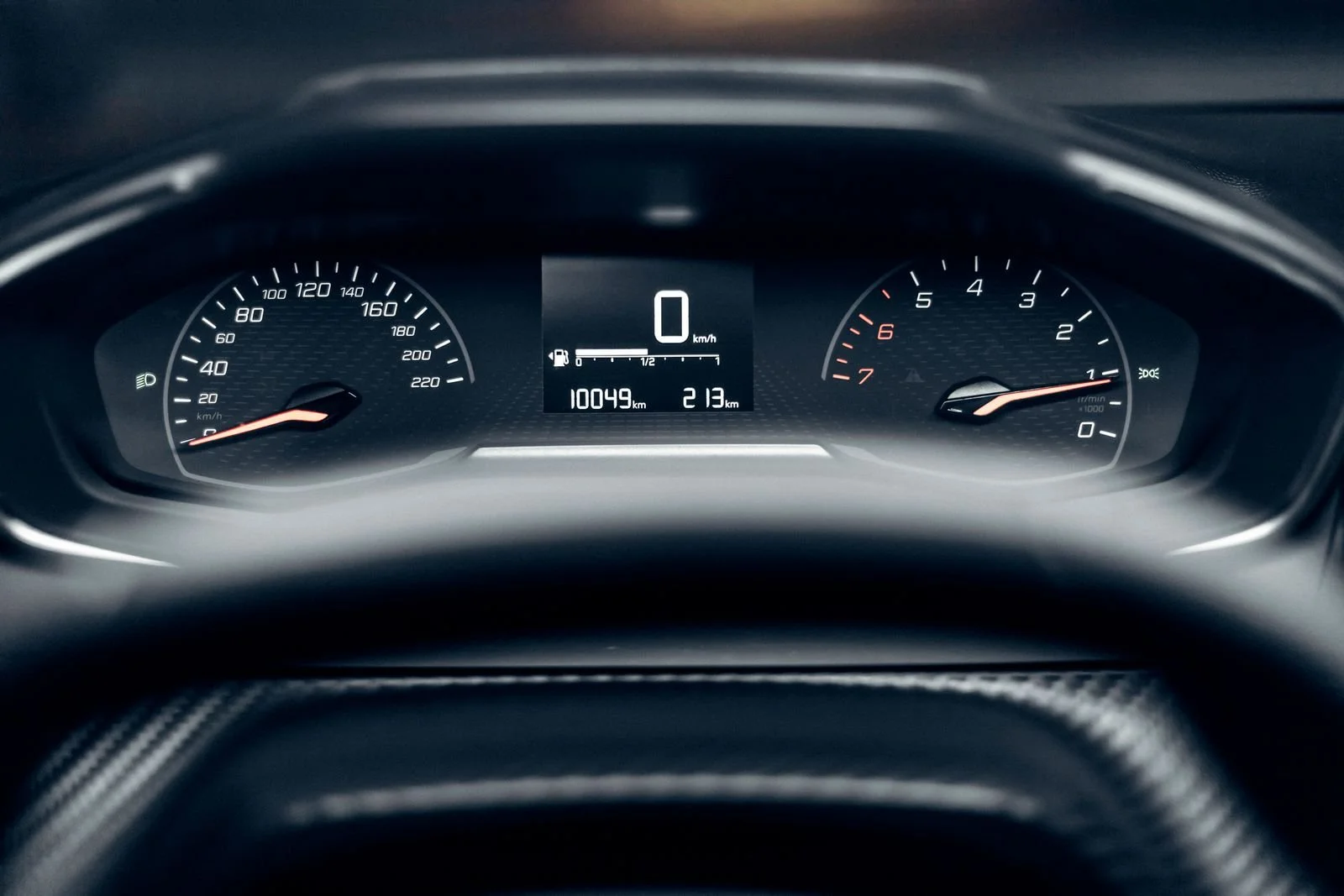
Photo by Gezer Amorim on Pexels. Illustrative photo.
A demo or service-loaner car can have warranty time and mileage already used up before you buy it. I would ask for the original in-service date and the remaining coverage for that specific VIN before deciding whether the discount is enough. The date you sign the purchase paperwork may not be the date the factory warranty began.
That matters when a car looks almost new, has a few thousand miles, and is being presented as a way to save money without giving up much. You might be getting a good deal. You still need to know what has already been used, including the warranty.
The first question I'd ask is simple: “Please show me the manufacturer's warranty record for this VIN, including the original start date and the expiration date and mileage for each coverage.”
What does “demo” or “loaner” actually tell you?
It tells you something about how the car was used, but not enough to price it or establish its coverage. A demonstration vehicle might have been driven by dealership staff. A service loaner might have been provided to customers while their own cars were being repaired. Ask what happened with this particular car instead of relying on the label.
I'd want to know when that use started, how many miles it accumulated, whether it was titled or registered, and whether it has been repaired. Ask for the available service and prior-use records. “It was just a manager's car” is a description to investigate, not a condition report.
Keep the sales classification and the warranty question separate. Whether the car can be sold or titled as new depends on the applicable rules and its history. The manufacturer's warranty has its own terms. An answer about one does not settle the other.
If you're still weighing the broader options, my new-versus-used comparison is a starting point. With a demo or loaner, I would narrow the decision to the actual car, its price, and the coverage left today.
Can the warranty start before the first retail sale?
Yes, depending on the manufacturer and the applicable warranty. For example, Toyota's 2026 Sequoia Warranty and Maintenance Guide says its warranty period begins at the first delivery to an ultimate purchaser, lease, or use as a company car or demonstrator.
That is a specific manufacturer's example, not a rule I would apply to every brand or every loaner program. Get the warranty booklet for the model year you're buying and have the manufacturer or an authorized service department confirm the VIN's record.
Don't use the model year as a substitute for the date. A 2026 model could have entered service in 2025 or 2026. Nor would I assume that a car sitting on the lot automatically lost warranty months just because it was built a while ago. The relevant event is whatever starts coverage under that warranty, as recorded for the vehicle.
If the salesperson says the clock starts when you buy it, ask them to put that explanation alongside the manufacturer's record. A disagreement between those two answers needs to be resolved before signing.
Work out the time and mileage separately
Ask for both limits because you can reach either one first. A lightly driven car may have plenty of miles left and much less time than you expected.
Here's a fictional example. Assume the written basic warranty expires 36 months after the original in-service date or when the odometer reaches 36,000 miles, whichever comes first. The car entered service on May 9, 2026. You're considering buying it on November 9, 2026, with 6,000 miles.
Under those assumptions, the calendar limit is May 9, 2029, about 30 months after your purchase. The mileage limit leaves 30,000 miles. You are not getting a fresh 36 months and another 36,000 miles on top of the current odometer.
Then consider your own driving. At 20,000 miles a year, those remaining 30,000 miles would last about 18 months. At 8,000 miles a year, the calendar limit would arrive first.
Don't reuse that arithmetic blindly for every coverage. Ask the service department to confirm the actual expiration mileage, including any applicable delivery-mileage adjustment. Basic, powertrain, battery, emissions, corrosion, and roadside coverage can have different terms. You need the ones that apply to this car, not one reassuring number from a brochure.
Get a usable warranty answer in writing
I would ask for a dated printout or written confirmation showing:
The VIN and current odometer reading.
The original warranty or in-service date.
The end date and mileage limit for the relevant coverages.
Any warranty restrictions or other coverage issues identified for the vehicle.
Any additional coverage included in the deal and who backs it.
A screenshot showing “active” is not enough if it doesn't tell you what is active or when it ends. Save the applicable warranty booklet with the confirmation so you have the exclusions and claim requirements too.
The FTC's used-car buying guidance includes demonstrators and program cars in its Buyers Guide discussion. Ask for the applicable Buyers Guide and check that it agrees with the written deal. Don't assume the word “new” in the sales conversation makes that paperwork irrelevant.
If someone promises to “make up the difference” in warranty time, have them explain the exact product. Is it an additional manufacturer warranty, a dealer warranty, or a separately purchased service contract? Who handles a claim, what deductible applies, and what is excluded?
Calling all three an “extended warranty” makes them sound more interchangeable than their paperwork may support.
Does certification restore the original warranty?
I wouldn't assume it does. Certification may add coverage under a particular program, but you need that program's documents and evidence that this vehicle is enrolled. A certification inspection and additional coverage don't necessarily move the original in-service date.
Ask the dealer to show the existing factory coverage and any added certified coverage separately. Find out whether they overlap, start consecutively, or cover different components. My guide to what certified pre-owned actually covers walks through that distinction in more detail.
The same goes for included maintenance. If the deal advertises a maintenance benefit, ask which services remain available and when eligibility ends. Don't count services that have already been performed as something you're still receiving.
Is the demo discount worth what you're giving up?
Compare the complete written offers for the demo and a similar car that hasn't been placed in service. Match the trim, equipment, financing conditions, and selected extras before deciding how much you're saving.
A discount from sticker price alone doesn't answer the question. If an unused comparable car also has a discount, the difference between the two real offers may be smaller than the salesperson's headline number.
Then account for the condition. Have an independent inspection arranged, and ask specifically about tires, brakes, body repairs, interior wear, and anything due for service. Low mileage doesn't make those checks unnecessary. Obtain repair estimates for anything you would have to address soon.
I wouldn't assign a made-up dollar value to every lost warranty month. I'd ask a more practical question: is the actual saving enough for me to accept the car's condition and the earlier point when I could be paying for uncovered repairs?
If the answer depends on a repair, replacement key, or added coverage the dealer has promised, get that included in the written agreement. Then verify it happened.
Before you sign for a demo or loaner
I would want three things settled: how the car was used, what warranty remains, and how its total price compares with a genuinely comparable alternative. None of those should depend on a verbal “don't worry about it.”
For the rest of the purchase, you can sign up for my Before You Sign checklist. Keep the VIN-specific warranty confirmation with your deal paperwork. A demo discount can be worthwhile, but I would decide that after seeing the dates, not before.